(805) 244-8489
Therapy for Daughters of Emotionally Unavailable Mothers
Heal the patterns you inherited and create emotionally safe relationships in your own family.

You love your children deeply
But sometimes your reactions surprise you.
A sharp tone you didn't intend.
A wave of overwhelm during conflict.
A feeling of shutting down when emotions run high.
Why did that moment feel so strong?
Later you may find yourself wondering...
Why did that moment feel so intense?
Many women who find their way to my practice carry a quiet pain:
They fear repeating the same emotional patterns they experienced growing up.
If you were raised by an emotionally unavailable mother, these reactions are not unusual.
The emotional patterns we learned in childhood often continue shaping how we mother, experience relationships, boundaries, and conflicts as adults.
Therapy can help you understand those patterns and begin creating something different for the next generation.
When Early Relationships Shape Adult Life
Growing up with an emotionally unavailable mother often leaves a subtle but powerful imprint on how relationships feel.
Many women notice patterns such as:
Feeling responsible for everyone's emotions
Becoming overwhelmed during conflict
Struggling with guilt when setting boundaries
Overthinking interactions with loved ones or at work
Worrying about repeating the same emotional patterns with their own children.
These responses are not personal flaws.
They are emotional survival strategies formed in early relationships.
With thoughtful therapeutic work, the patterns can evolve.
Therapy That Goes Beneath the Surface
Many clients initially come to therapy hoping to reduce anxiety, depression, emotional overwhelm, or relationship tension.
But what they often discover is something deeper.
Therapy offers an opportunity to understand the emotional blueprint shaped in early relationships and begin developing new ways of responding to life's challenges.
Overtime, these women begin to experience:
Greater emotional steadiness during difficult moments
Clearer boundaries and communication
Calmer interactions with their children
Stronger self-trust in relationships
Relief from long-standing shame or self-doubt
The goal is not perfection.
The goal is freedom fromm patterns that no longer serve you.
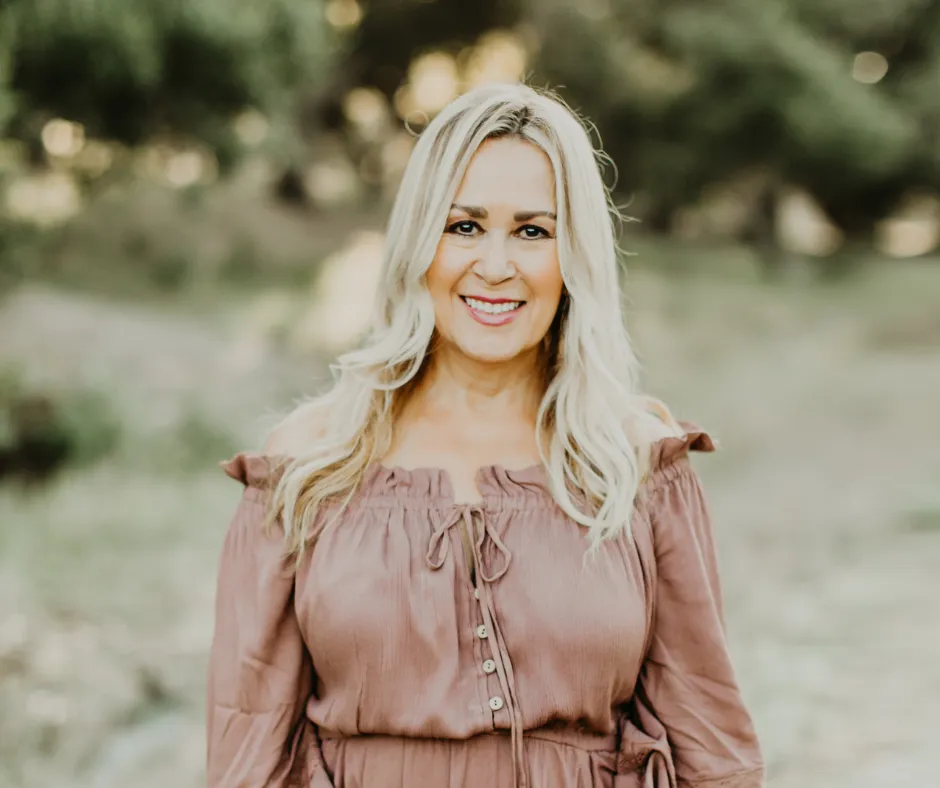
Meet Amelia
Amelia Mora Mars, LMFT #102384
Licensed Marriage and Family Therapist
Ketamine Assisted Psychotherapist
Board Chair, Childhood Matters
Mom of 10
I specialize in working with daughters of emotionally unavailable mothers who want to understand the deeper roots of their emotional patterns and build healthier relationships in their own families.
My interest in this work began long before I became a therapist.
I never had the opportunity to meet my Abuelita. I came to know her through the stories passed down in my family, stories of the pain she carried and the fear her children sometimes felt around her.
As I grew older, I became curious about how emotional wounds can quietly move through generations, shaping how love, safety, and connection are experienced within a family.
Those early reflections stayed with me.
They eventually led me to study the ways attachment, trauma, and family relationships influence emotional patterns across generations.
Today, I help women understand how the emotional dynamics they experienced growing up continue to influence their relationships as adults, and how those patterns can change.
When this work begins to take hold, clients experience something they have been longing for:
A deeper sense of emotional steadiness, clarity, and safety in their relationships.
My Approach
Therapy unfolds in several phases:
Understanding the Pattern
We explore how early attachment experiences shaped emotional responses and relationship dynamics.
Building Emotional Stability
Clients develop stronger emotinal regulation and begin responding to difficult moments with greater calm and clarity.
Creating New Relationship Patterns
Over time, clients begin interacting differently with partners, children, and family members and feel more grounded in their relationships.
Ketamine Assisted Psychotherapy
When Talk Therapy & Medication Isn’t Enough—KAP Meets You Where You Are
For some clients, the emotional patterns formed in early relationships can be difficult to shift through traditional talk therapy alone.
Ketamine-assisted psychotherapy can support the therapeutic process by creating a temporary window of increased neuroplasticity, allowing the brain to form new emotional pathways and perspectives.
While my practice specializes in working with women, ketamine-assisted psychotherapy is available for both men and women and couples who are seeking deeper therapeutic work.
My work integrates ketamine therapy through a structured approach called The Ketamine Layering Effect™.
Rather than treating ketamine as a single breakthrough experience, this method intentionally builds change over time. Research and clinical practice suggest that a series of six sessions is often considered the gold standard, as each experience helps reinforce new neural pathways and emotional insights.
Each layer builds on the previous one so that insights from the experience translate into lasting emotional change rather than temporary breakthroughs.
Preparation sessions to clarify intentions and emotional themes
Ketamine-assisted experiences conducted in a safe, supportive setting
Integration sessions to translate insights into meaning into meaningful life changes
By combining the neuroplastic effects of ketamine with thoughtful integration, clients are often able to access and reshape patterns that have felt stuck for years.

Ketamine-assited psychotherapy for men, women, and couples
Services

Ketamine Therapy

Therapy for Women

Therapy for Moms

Faith-Based Therapy

Pre-Marital Counseling
Client Experiences
"I have found joy in living, which I still consider unreal sometimes."
I was severely depressed and chronically anxious. I tried a variety of alternatives, and I didn’t seem to be able to get out of the desperate state of trauma and sadness that I was in. I felt at the end of my rope. After a decade of suffering with several mental health issues, I feel now I can handle the ups and downs of life without the extreme reaction that I used to have.
It makes a huge difference to have a therapist like Amelia, who understands trauma and is compassionate and knowledgeable about this new and rewarding treatment.
I have found joy in living, which I still consider unreal sometimes.
LS, Travel Writer
Blogs
Are You Mothering from an Unhealed Place? Signs of the Mother Wound
Are You Mothering from an Unhealed Place?
Signs of the Mother Wound
By Amelia Mora Mars, LMFT
Somewhere along the way, many of us were taught to hold it all together. To be the strong one. To push through, no matter how tired, hurt, or invisible we felt. But that kind of strength, when it comes from survival rather than support, can leave a deep imprint. One that shows up not just in how we care for ourselves, but in how we mother.
This is the mother wound. A quiet but powerful form of generational trauma that lives in the body and the heart.
It doesn’t mean your mother was all bad or that you are. It means you may have inherited emotional patterns rooted in pain, silence, or perfectionism. And you’re not alone.
Here are a few quiet signs you may be mothering from an unhealed place:
You feel guilty when you take time for yourself.
You constantly second guess your parenting decisions.
You feel responsible for everyone’s emotions.
You swing between overgiving and emotional exhaustion.
You find it hard to ask for help or set boundaries.
If this speaks to you, hear me clearly: You are not broken. You’re carrying inherited stories that were never yours to begin with.
Healing the mother wound isn’t about blame. It’s about breaking cycles with tenderness and truth. It’s about learning to mother yourself with the same compassion and care you give your children. This is the heart of conscious parenting.
And yes, I know, it’s hard. Especially when your own needs have lived at the bottom of the list for years. But you matter. Your healing matters. Your children will feel the shift, even if they don’t have the words for it.
Start small. Rest without guilt. Say no without explanation. Ask for support without shame. These are revolutionary acts for a woman who was taught to be everything for everyone.
You are worthy of a life where your needs are not an afterthought. Where love is not earned through sacrifice. And where strength includes softness.
You can break the cycle. Heal the generational trauma. Rewrite the story for yourself and your children.
We can heal what we didn’t choose. And it begins with truth, gentleness, and one brave step at a time.
You're doing better than you think.
With heart,
Amelia
Ready to take the next step in your healing journey?


Our partners



In-network with Gold Coast Health Plan and Optum for talk therapy


Amelia Mora Mars, LMFT #102384
2660 Townsgate, Suite 450, Westlake Village CA 91361
(805) 244-8489
© 2026 | Privacy Policy